
Leadership
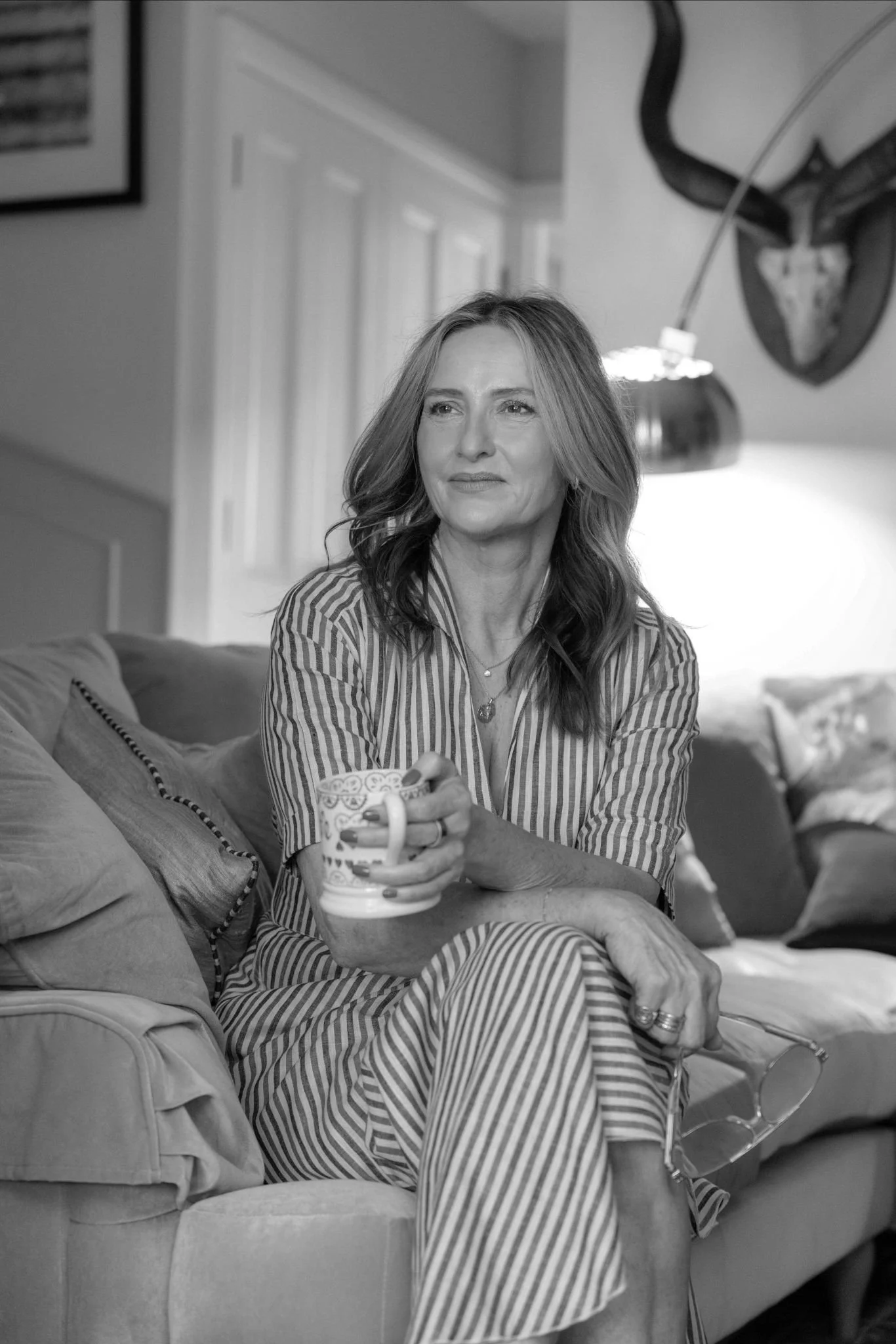
Leadership is about people, but it is also about responsibility.
I’ve led teams across different countries, cultures and disciplines, and within very different business and ownership models.
My style is collaborative. I want people to have a voice, to challenge and to bring different perspectives to the table. But collaboration doesn’t mean consensus. Leadership ultimately means creating clarity, setting expectations and being prepared to make decisions.
I give people real ownership and expect accountability in return. I don’t expect people to get everything right, but I do expect them to care about the business, the quality of their work and the impact their decisions have on others.
You can care deeply about people and still expect a lot from them.
Creating the conditions for people to do their best work.
I believe in structure, but not bureaucracy.
In product businesses, creativity needs freedom, but it also needs strong commercial and technical foundations. Clear responsibilities, good information and effective processes allow teams to spend less time navigating the organisation and more time focused on the customer and the product.
The best structure should almost disappear into the background. It creates clarity without controlling how people think.
Building capability, not dependency.
One of the most important responsibilities of leadership is developing people.
I’m comfortable delegating and equally comfortable recognising when someone else knows more than I do. Sometimes leadership means providing direction; sometimes it means connecting someone with the right expertise and giving them the space to grow.
I’ve built teams throughout my career, and I don’t measure their success by how much they need me. I want people to develop the judgement and confidence to make good decisions themselves.
The strongest teams keep getting stronger without you in the middle of everything.
Judgement matters.
Working across listed, employee-owned and founder-led businesses has exposed me to very different cultures, expectations and approaches to decision-making.
What I’ve learnt is that there is rarely one model of good leadership. You listen, understand the context, bring the right people into the conversation and then make the decision the business needs.
That becomes particularly important when decisions are difficult or affect people.
After more than three decades, my leadership has become less about having the answers and more about knowing the right questions to ask, when to challenge, when to delegate and when to decide.